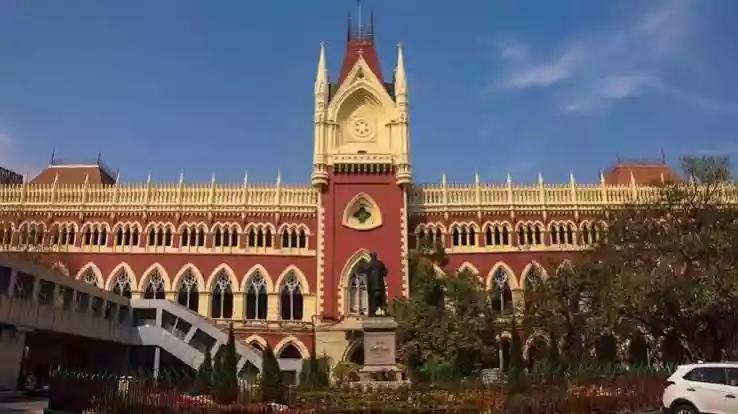
Calcutta HC summons NTA's response over NEET OMR discrepancy, aspirant claims gap of 370 marks
.gif)

Download Mobile App 






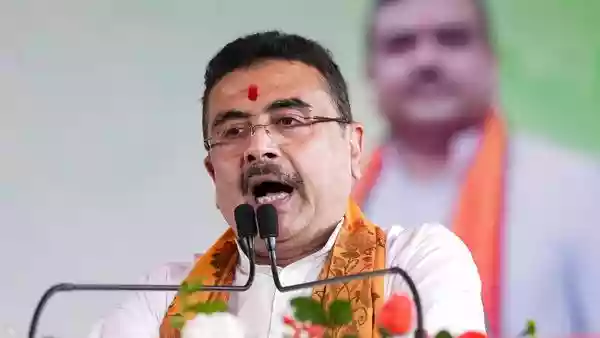
West Bengal Chief Minister Suvendu Adhikari on Wednesday cleared the air regarding the strict eligibility criteria for the state’s newly launched Annapurna Bhandar scheme, addressing widespread speculation about whether families sending their children to private schools will receive the monthly ₹3,000 financial assistance. Speaking at a government function, the Chief Minister explicitly stated that applicants whose children are enrolled in government or government-aided institutions will automatically qualify for the monthly cash transfer. For those opting for private education, the benefit remains conditional on specific institutional credentials.
The Chief Minister clarified that families with children studying in private schools will still receive the ₹3,000 monthly benefit, provided the institution holds valid administrative approval from either a central educational board or the state board. However, Adhikari drew a strict regulatory line by confirming that the financial aid will be flatly denied to families sending their children to unrecognized, unapproved private institutions, particularly those that impart religion-based curricula or anti-India teachings. This targeted restriction aims to ensure that state funds are exclusively funneled into legally aligned and recognized educational frameworks.
The comprehensive nature of the Annapurna Bhandar application form has recently triggered intense public debate and anxiety regarding data privacy and potential exclusion. Applicants are required to submit extensive personal and logistical data, including total family land holdings, detailed occupation records of the household head, specific school names of all dependent children, and historical Covid-19 vaccination details. Through this thorough data harvesting, the state administration is systematically mapping the grassroots economic standing of each applicant family to potentially establish a definitive income ceiling for long-term disbursements.



 West Bengal
 Bihar
Bihar Uttar Pradesh
 Jharkhand